
How to Choose the Best Size for Your Book
Book Trim Sizes Explained
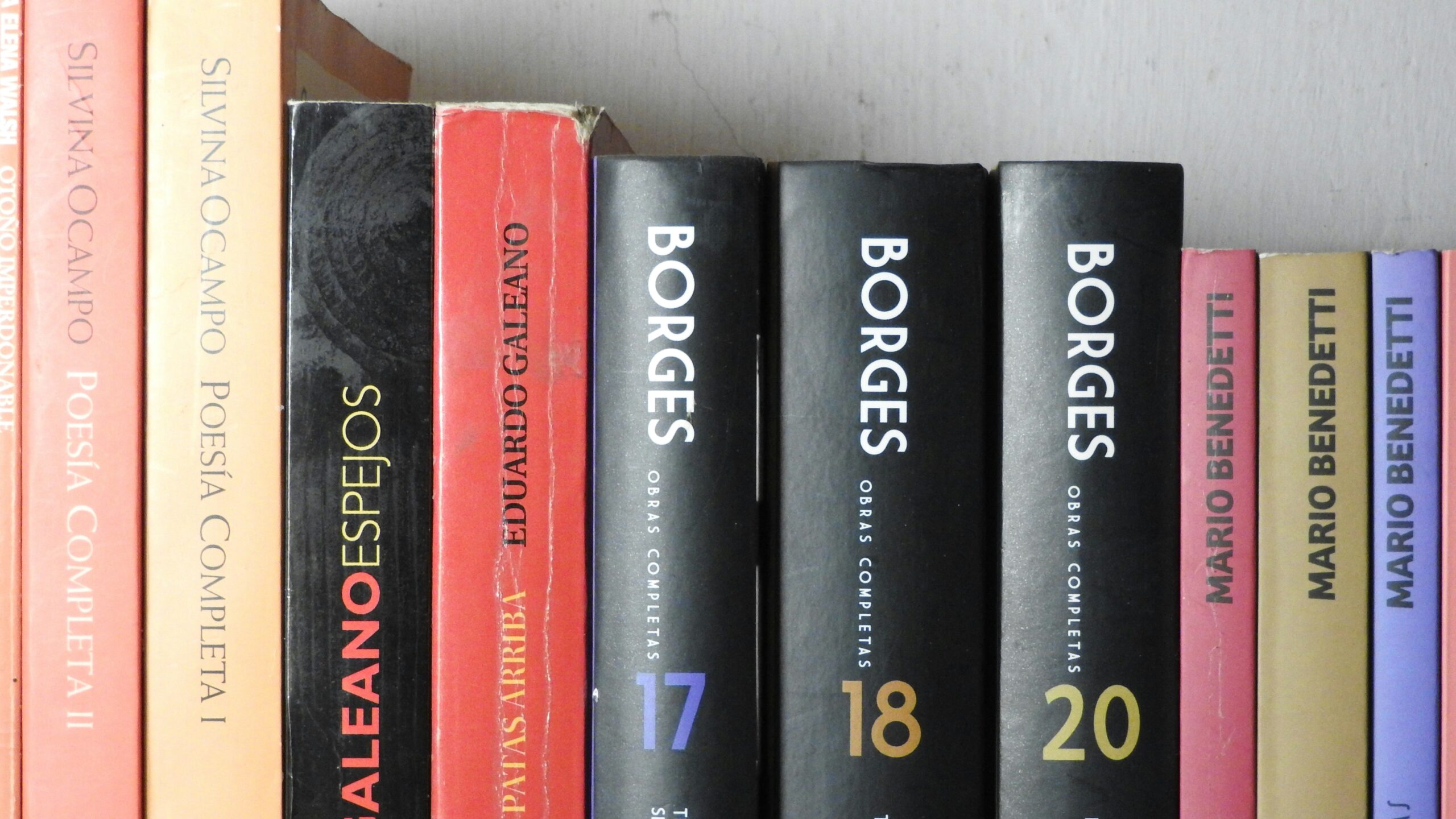
When it comes to printing your book, size really does matter. Your chosen trim size, the final dimensions of your book once it’s been printed and cut, can affect everything from production costs and page count to how comfortable your book is to hold and how professional it looks on the shelf.
It’s not just a design decision; it’s part of how readers experience your story. A well-chosen trim size helps your book feel “right” in its genre and in readers’ hands. In fact, publishing research shows that readers are 35% more likely to buy a book that visually matches the standard size of others in its category.
What Is a Book Trim Size?
Your book’s trim size refers to its final page dimensions after printing and cutting. It’s typically measured in millimetres (in the UK) or inches (in the US), and it’s what gives your book its overall shape and feel.
Trim size influences:
- Layout and readability – Smaller sizes may mean tighter text or more pages, while larger ones allow for spacious layouts.
- Production cost – Paper usage and binding vary with size, affecting the total cost per copy.
- Reader experience – Certain genres simply feel right in familiar sizes (think pocket paperbacks or coffee-table art books).
Publishers and printers use standardised sizes because they’re cost-effective, easy to distribute, and meet reader expectations. However, there’s also room for creativity if your project calls for something unique, and that’s where 4edge’s flexible short-run and print-on-demand services come in.
Standard Book Printing Sizes in the UK
In the UK, most books fall within a few tried-and-tested size ranges. Each format serves a particular purpose and audience.
Here are the most common trim sizes you’ll see and what they’re best suited for:
|
Trim Size (mm) |
Common Use |
Typical Genre or Example |
|
198 x 129 (B-Format) |
Standard paperback fiction |
Novels, literary fiction, memoirs |
|
210 x 148 (A5) |
Compact and portable |
General non-fiction, poetry, travel guides |
|
229 x 152 (Trade Paperback) |
Slightly larger than standard paperback |
Modern fiction, business, and academic titles |
|
210 x 297 (A4) |
Large-format books |
Textbooks, manuals, workbooks, reference titles |
|
240 x 170 or Square formats |
Bespoke designs |
Children’s picture books, cookbooks, art and photography collections |
The B-Format (198 x 129mm) remains the industry standard for paperbacks in the UK — striking the ideal balance between portability, readability, and cost.
At 4edge, we regularly print across all these sizes and more, offering bespoke dimensions when a project calls for something extra-special.
Matching Trim Sizes to Genres
Different genres naturally lend themselves to different book sizes. Choosing the right format helps readers instantly recognise what type of book they’re holding – an unspoken cue of quality and professionalism.
Fiction & Paperbacks
Fiction titles typically use B-Format (198 x 129mm) or A5 (210 x 148mm) sizes. These formats are affordable, comfortable to read, and easily portable – ideal for novels, poetry, and short story collections.
Non-Fiction & Memoir
Non-fiction books often run slightly larger, around 229 x 152mm or A5, giving room for subheadings, tables, or illustrations. Larger trim sizes also create a sense of authority and presence on a bookshelf.
Children’s Books
Children’s books tend to use larger or square formats, such as 210 x 210mm or 240 x 170mm, to make room for illustrations and big, easy-to-read text. These layouts encourage engagement and make the reading experience more visual and tactile.
Academic & Technical Books
For manuals, textbooks, and journals, A4 (210 x 297mm) remains the go-to. The larger size accommodates diagrams, equations, and structured content, perfect for educational or professional use.
If you’re unsure which format best suits your manuscript, the 4edge team is always happy to advise. With years of experience across multiple genres, we can help you balance practicality, cost, and reader appeal.
Custom Book Sizes: Pros and Cons
While standard trim sizes work perfectly for most books, custom dimensions can make your publication truly stand out. That said, there are a few factors worth considering.
Why Choose a Custom Size?
- Unique appearance: Custom sizing helps your book grab attention – ideal for art, design, or collector’s editions.
- Tailored to your content: Larger formats can better showcase illustrations or photography, while smaller ones enhance portability.
- Branding and aesthetics: Perfect for authors or publishers who want to reflect a distinct visual identity.
- Improved readability: Adjusting size and layout can make text easier to read for certain audiences.
Potential Drawbacks
- Higher production costs: Custom sizes often require more paper or special handling, raising per-copy costs.
- Distribution limits: Non-standard sizes may not fit neatly into retailer shelving or print-on-demand networks.
- Formatting challenges: Layout and spine alignment can take extra time and care to perfect.
- Reduced print options: Some printers only offer standard templates for faster turnaround.
At 4edge, we offer full flexibility for bespoke book sizes, whether you’re producing a limited-edition photography book or an unusually shaped creative project. Our advanced short-run digital printing technology ensures consistent quality and fast turnaround, even for non-standard formats.
Explore our custom book format options to see how we can bring your vision to life.
Preparing Your Manuscript for the Right Trim Size
Getting your manuscript ready for print means setting it up correctly from the start. A little preparation early on can save hours of formatting later.
- Choose Your Trim Size Before Layout
Select your size before designing your book as changing it later can alter page counts and layout flow.
- Set Up Your Document Properly
- In Word, set custom page dimensions that match your chosen trim size.
- In InDesign, use preset templates for standard UK sizes (like A5 or B-Format).
- Remember to allow for margins, bleed, and spine width – your printer can guide you through this if you’re unsure.
- Keep Page Count and Cost in Mind
Smaller trim sizes mean more pages, which can slightly increase printing costs. Larger sizes use more paper per page but fewer total pages overall. Finding the right balance is key, and something 4edge can help calculate for you.
- Proof Before You Print
Always order a proof copy before going to a full print run. It’s the best way to see how your chosen size feels in your hands and ensure everything aligns perfectly.
How Trim Size Affects Cost and Readability
Your trim size doesn’t just shape your book, it also shapes your budget and your reader’s comfort.
- Smaller books (like B-Format) are cheaper to print and post but may need tighter layouts.
- Larger formats give more visual breathing room but use more paper.
- Text density and font size both depend on trim width – small adjustments can dramatically improve readability.
At 4edge, we’ll help you test and fine-tune these details so your book looks professional, feels balanced, and remains cost-effective.
Why Authors Trust 4edge
From debut authors to established publishers, thousands have trusted 4edge for their printing projects. Why? Because we combine modern digital precision with traditional craftsmanship to deliver professional-quality books without the long lead times or high minimums of traditional offset printing.
Our friendly, experienced team provides:
- Expert guidance on trim size, paper stock, and binding
- Short-run and print-on-demand flexibility
- Consistent, high-quality production in both paperback and hardback formats
- Clear communication and support from start to finish
Whether you’re printing your first paperback or creating a bespoke hardback edition, 4edge is here to make the process simple, stress-free, and professional.
FAQs
What is the most common book printing size in the UK?
The most common size for UK paperbacks is B-Format (198mm x 129mm). This size is used widely across fiction and general trade publishing.
How do I choose the right trim size for my book?
Start by looking at books in your genre. See what’s typical, then consider how size affects page count, printing cost, and readability. A trusted printer like 4edge can help you finalise your choice and ensure it prints perfectly.

Call us
Tel: 01702 200243

General enquiries
Email: admin@4edge.co.uk

Opening Times
Mon – Fri 9am – 5.30pm
Sat – Sun Closed

Our address
4edge Limited,
22 Eldon Way,
Eldon Way Industrial Estate, Hockley,
Essex
SS5 4AD